.webp)
When the Faller Falls

Ki Tetze and the Courage to Build Without Knowing the Ending
Parshat Ki Tetze
This Torah thought is dedicated to the memory of our fallen soldiers: Ephraim ben Liat v’Shmuel, Yosef Malachi ben Dina v’David, Eliyahu Moshe Shlomo ben Sarah v’Shimon, Yosef Chaim ben Rachel v’Eliyahu, Netanel ben Revital v’Elad, Yakir ben Chaya v’Yehoshua, Ron ben Sara v’Kenny, and Harel ben Yonat v’Shlomo. May their memories be a blessing, and may the lives they lived continue to bring light and strength to Am Yisrael.
What Kind of Parent Does This?
If there is one parsha that makes my blood boil, that makes me want to scream at the page, it is Ki Tetze.
You might assume it is my feminist sensibilities—the ones I don't actually have—reacting to the eshet yefat to'ar, the beautiful woman taken captive in war.
Nope.
It is the mother in me that goes crazy.
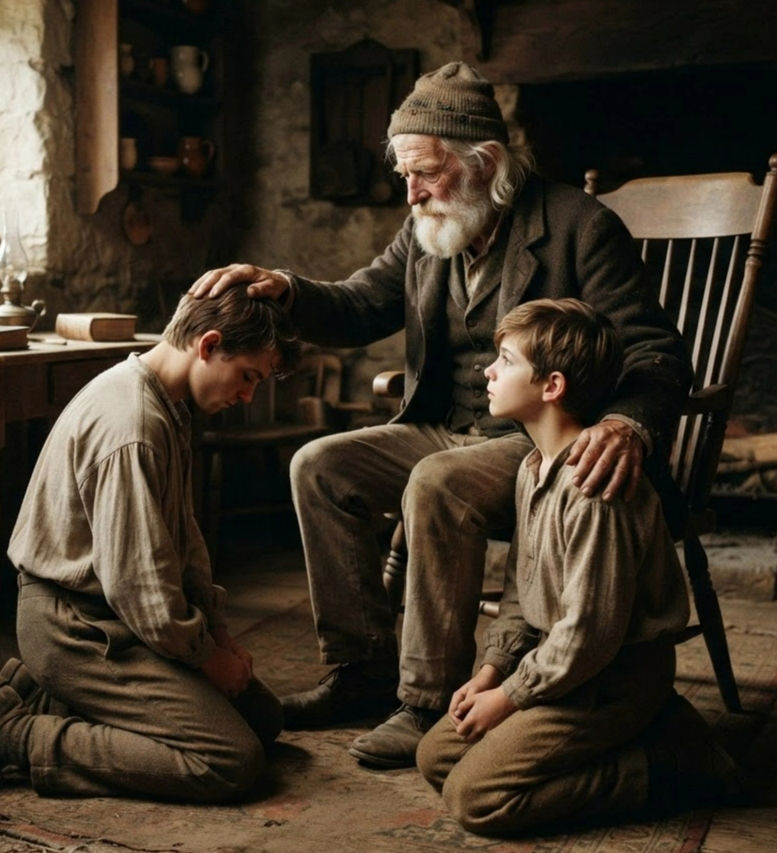
A father and mother take hold of their own son, bring him to the elders of the city, and hand him over to be killed.
וְתָפְשׂוּ בוֹ אָבִיו וְאִמּוֹ וְהוֹצִיאוּ אֹתוֹ אֶל זִקְנֵי עִירוֹ וְאֶל שַׁעַר מְקֹמוֹ“His father and mother shall take hold of him and bring him out to the elders of his city and to the gate of his place.”(Devarim 21:19)
Children challenge us. They keep us on our toes. They do things that we strongly disagree with and even break our hearts. That is parenting.
But take your own child, no matter how badly he is behaving, and deliver him to his death?
Everything in me screams no.
What happened in this family before a mother and father could ever reach this point?
Find the Tail
Rashi does not allow us to meet this child in isolation.
Ki Tetze begins with a man going out to war:
כִּי תֵצֵא לַמִּלְחָמָה עַל אֹיְבֶיךָ... וְרָאִיתָ בַּשִּׁבְיָה אֵשֶׁת יְפַת תֹּאַר וְחָשַׁקְתָּ בָּהּ“When you go out to war against your enemies... and you see among the captives a beautiful woman and desire her...”(Devarim 21:10–11)
Rashi immediately tells us:
במלחמת הרשות הכתוב מדבר“The verse is speaking of a discretionary war.”
This man chose to go out.
And out there, he sees something he wants.
וראית. וחשקת.
He sees. He desires.
Rashi is strikingly realistic:
לא דברה תורה אלא כנגד יצר הרע“The Torah speaks here only in response to the evil inclination.”
The Torah recognizes that people fall. It puts a process around what is happening. The woman comes into his home. She mourns her parents. A month passes. What began in the intensity of war cannot simply become immediate gratification.
Then Rashi tells us to keep following the story.
If he marries her:
סופו להיות שונאה
He will eventually hate her.
And then:
וסופו להוליד ממנה בן סורר ומורה
Ultimately, a wayward and rebellious son will emerge.
Rashi explains that this progression is the reason these passages appear together.
There is a tail.
Find the tail. What happened before what we are seeing? And what happened before that?
Rashi walks us backward.
Before the child, there was hatred in the home.
Before the hatred, there was וראית... וחשקת—seeing and wanting.
Before that, there was כי תצא. A man went out.
The child's behavior is real. His choices have repercussions. But he entered a story already in progress.
Do We Really Know His End?
The Torah's response to the ben sorer u'moreh becomes even more difficult when we read Rashi's explanation:
בן סורר ומורה נהרג על שם סופו... אמרה תורה ימות זכאי ואל ימות חייב“The rebellious son is killed because of his eventual end... The Torah says: let him die innocent rather than die guilty.”
He is still זכאי, innocent.
That is precisely what bothers me.
We are looking at a young person in the middle of his story and declaring that we already know the ending.
What about twists and turns, maturation, a difficult year followed by a better one, mistakes followed by repair, or people he has yet to meet who may change the course of his life?
We see what is in front of us, project it forward, and call it his סוף, his end.
Chazal make the conditions for a ben sorer u'moreh extraordinarily restrictive. The Gemara records the opinion:
בן סורר ומורה לא היה ולא עתיד להיות. ולמה נכתב? דרוש וקבל שכר“A rebellious son never was and never will be. Why, then, was this written? Study it and receive reward.”(Sanhedrin 71a)
Perhaps that is exactly what we need to do.
Study this challenged child.
Study his parents.
Study the tail.
There is something terribly tempting about an immediate outcome.
The soldier saw something he wanted and wanted it now:
וראית... וחשקת.
And here, once again, there is an unbearable desire to resolve what is in front of us now. The child is frightening. His future is frightening. End the story before it gets worse.
It is the same impatience with process.
What Do We Do With a Faller?
A little later, Ki Tetze introduces another person whose fall is already anticipated:
כִּי תִבְנֶה בַּיִת חָדָשׁ וְעָשִׂיתָ מַעֲקֶה לְגַגֶּךָ וְלֹא תָשִׂים דָּמִים בְּבֵיתֶךָ כִּי יִפֹּל הַנֹּפֵל מִמֶּנּוּ“When you build a new house, make a guardrail for your roof, so that you do not place blood in your house, should the faller fall from it.”(Devarim 22:8)
The language is strange.
כי יפול הנופל. When the faller falls?
Why call him the faller before he falls?
Rashi explains:
ראוי זה ליפול... ואף על פי כן לא תתגלגל מיתתו על ידך, שמגלגלין זכות על ידי זכאי וחובה על ידי חייב“This person was destined to fall... nevertheless, his death should not come about through you, for merit is brought about through the meritorious and liability through the liable.”
There they are again:
זכאי. חייב. Innocent. Guilty.
The same language Rashi used with the ben sorer u'moreh.
Yet here the Torah does something radically different.
It knows there is a faller and turns to the person building the house:
ועשית מעקה לגגך
Build a guardrail.
And then:
ולא תשים דמים בביתך
Do not place blood in your house.
Those words are hard to read after the ben sorer u'moreh.
There, the parents bring their child out to be killed.
Here, the Torah anticipates a fall and commands us to build so that the faller's blood does not enter our house.
It is often easier to eliminate the faller than to examine why he fell.
The ma'akeh demands something much harder:
Look at the house.
Find the tail.
Why Build a Ma'akeh?
כי יפול הנופל
There will be fallers.
Making mistakes is baked into the cake. Parents make mistakes. Children fall. The Torah seems remarkably unsurprised by any of it.
Every child eventually goes up onto the roof. Some energetic children may take that more literally than we would like. Every child eventually reaches an edge. They test boundaries. They challenge what we thought was secure. They encounter desires, people, and ideas we cannot control.
Parents fall too. We lose our tempers. We misunderstand our children. We carry patterns from the homes in which we were raised. Sometimes our children discover our weak spots before we do.
So we build.
We educate ourselves. We learn the child in front of us. We recognize vulnerabilities. We examine what we brought into the home. We repair. We apologize. We create boundaries. We strengthen relationships.
That is the ma'akeh: the structure we build because we understand human fallibility.
When Is It Time to Go Out?
Then Ki Tetze brings us back to marriage and war:
כִּי יִקַּח אִישׁ אִשָּׁה חֲדָשָׁה לֹא יֵצֵא בַּצָּבָא... נָקִי יִהְיֶה לְבֵיתוֹ שָׁנָה אֶחָת וְשִׂמַּח אֶת אִשְׁתּוֹ אֲשֶׁר לָקָח“When a man takes a new wife, he shall not go out with the army... he shall remain free for his home for one year and bring joy to the wife he has taken.”(Devarim 24:5)
The parsha began:
כי תצא למלחמה
Go out to war.
Here:
לא יצא בצבא
Stay home.
Build first.
The Sefer HaChinuch, in Mitzvah 582, explains that this year allows the husband:
להרגיל טבעו עמה ולהדביק רצונו אצלה“To accustom his nature to her and attach his desire to her.”
As the bond grows, his desire becomes rooted in his wife. And then the Chinuch adds:
ויכשרו הולדים שתלד לו
The children she bears him will be positively affected.
The Torah is thinking about the children before they are born.
One soldier goes out and brings home a relationship born in the intensity of וראית... וחשקת.
Another begins a marriage and receives a year to build attachment before going out.
Eventually, we all go out. Our children will go out too. Sometimes responsibility itself requires it. In a milchemet mitzvah, an obligatory war, the Mishnah teaches:
הכל יוצאין, אפילו חתן מחדרו וכלה מחופתה“Everyone goes out, even a groom from his chamber and a bride from her wedding canopy.”(Mishnah Sotah 8:7)
The Torah's answer to danger is preparation.
Before you go out, build something strong enough to go out from.
Build the Ma'akeh
Every generation brings unfinished pieces into the next one. Our children receive our strengths and vulnerabilities, our faith and fears, our ways of attaching and the places where attachment remains difficult.
That is why finding the tail matters.
Finding the tail gives us the chance to understand what came before, take responsibility for our part, and decide what needs to be built now.
The ben sorer u'moreh confronts us with the terrifying certainty that we know a child's סוף.
The ma'akeh directs our energy toward the house.
We know there will be fallers.
We know mistakes are baked into the cake.
So find the tail.
Take responsibility.
Build the structure.
וְעָשִׂיתָ מַעֲקֶה לְגַגֶּךָ וְלֹא תָשִׂים דָּמִים בְּבֵיתֶךָ
Build the guardrail. Keep the blood out of the house.
We may never know where another person's story will end.
We do know what the Torah asks of the builder.

Comments